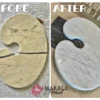

Marble is widely used in Singapore homes for its natural beauty, durability, and timeless appeal. From living room floors to kitchen countertops and bathroom vanities, marble adds a sense of quiet luxury that few materials can match.
However, marble is also one of the most misunderstood natural stones. Many homeowners believe that frequent cleaning alone is enough to maintain its shine. In reality, marble requires correct care, not aggressive or improvised cleaning methods—especially in Singapore’s humid climate.
Over the years, we’ve seen many well-maintained homes where marble surfaces still lose their shine prematurely. In most cases, the cause is not neglect, but everyday cleaning habits that slowly damage the stone.
Here are five common marble cleaning mistakes Singapore homeowners often make—and how to avoid them.
- Using Acidic or “Multi-Purpose” Cleaners
One of the most common mistakes is using household cleaners that contain acidic ingredients such as vinegar, lemon, citrus extracts, or even mild bathroom cleaners. These products are effective on ceramic tiles but can be extremely damaging to marble.
Marble is a calcium-based stone. When acids come into contact with it, a chemical reaction occurs, causing etching—a dull or rough patch that cannot be removed through normal cleaning.
Why this happens:
Even diluted acidic solutions can gradually wear down the marble’s surface, especially with repeated use.
What to do instead:
Always use a pH-neutral cleaner formulated for natural stone. This helps clean without attacking the stone’s structure.
- Mopping with Too Much Water
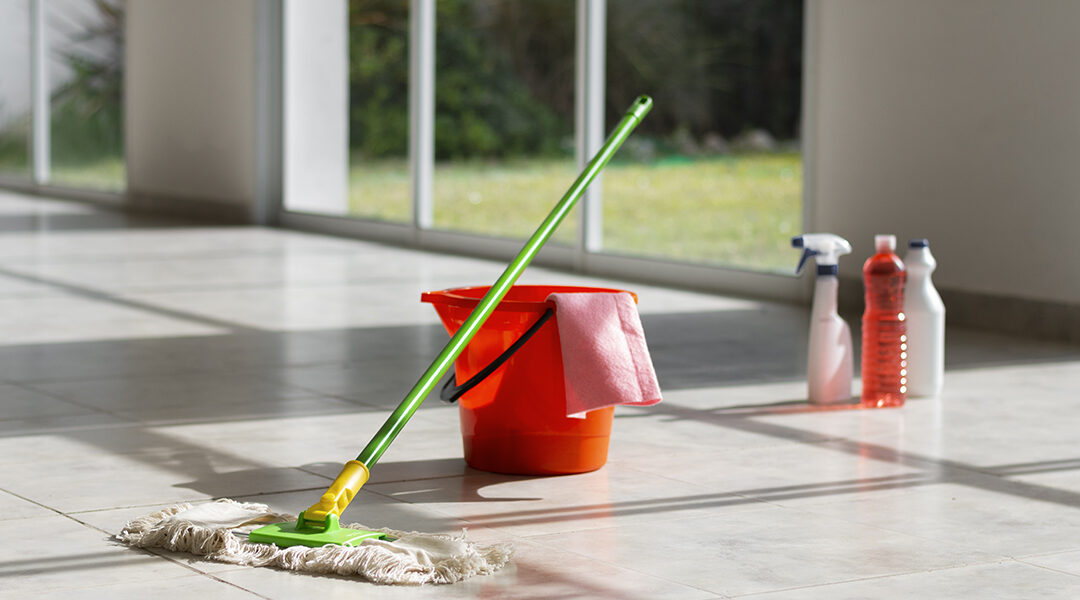
Water is often seen as harmless, but excessive moisture is one of marble’s silent enemies. Over time, water can seep into the stone through pores, grout lines, or micro-cracks—particularly in older installations.
In Singapore’s high humidity, trapped moisture evaporates slowly, increasing the risk of water stains and dull patches.
Common signs of over-wet cleaning:
-Cloudy or uneven shine
-Darkened areas near joints
-Floors that never fully look “dry”
What to do instead:
Use a lightly damp mop, not a soaking wet one, and dry the surface after cleaning whenever possible.
- Scrubbing with Abrasive Pads or Rough Sponges
Some cleaning pads may feel soft to the touch but are still abrasive enough to scratch marble. Over time, repeated scrubbing creates fine scratches that scatter light, causing the surface to lose its reflective quality.
This is especially common in high-traffic areas such as living rooms, corridors, and kitchens.
What homeowners often say:
“The floor is clean, but it looks tired and dull.”
What to do instead:
Use only soft cloths or stone-safe pads designed for marble surfaces.
- Applying Wax or DIY “Shine Enhancers”
When marble loses its gloss, many homeowners turn to waxes or DIY shine products for a quick fix. While these products may temporarily improve appearance, they often create long-term issues.
Wax builds up unevenly, traps dirt, and discolours over time. Removing wax residue usually requires professional stripping and polishing.
Common problems caused by wax:
-Yellowing or sticky surfaces
-Uneven shine across the floor
-Dirt accumulating faster
What to do instead:
Marble shine should come from mechanical polishing, not surface coatings.
- Waiting Too Long Before Seeking Professional Help
Marble deterioration happens gradually. Small etch marks, dull traffic paths, or uneven reflections are often ignored until the damage becomes obvious.
By the time homeowners seek help, restoration may require more extensive work than if addressed earlier.
Early warning signs include:
-Dull areas in frequently walked paths
-Etch marks near sinks and kitchens
-Inconsistent shine under lighting
What to do instead:
Periodic professional assessment and maintenance can significantly extend the lifespan of marble surfaces and keep restoration costs manageable.
Final Thoughts
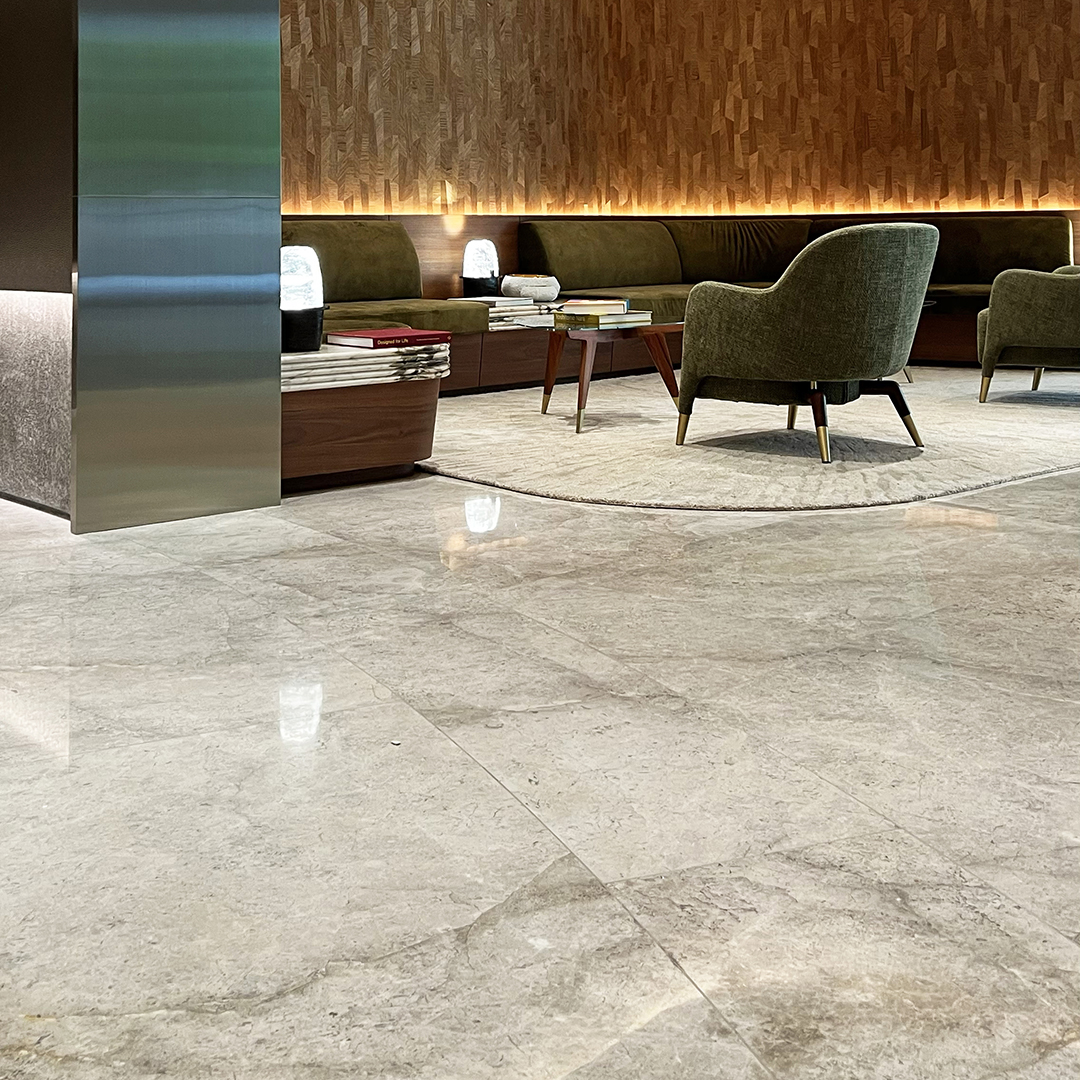
Marble is not fragile—but it is honest. It reflects how it is cleaned, maintained, and treated over time. With the right care and timely professional maintenance, marble floors and surfaces can remain elegant and functional for decades.
Understanding what not to do is often the first step toward preserving the beauty of natural stone. At Marble Renewal, we believe informed homeowners make better long-term decisions when it comes to natural stone care.