
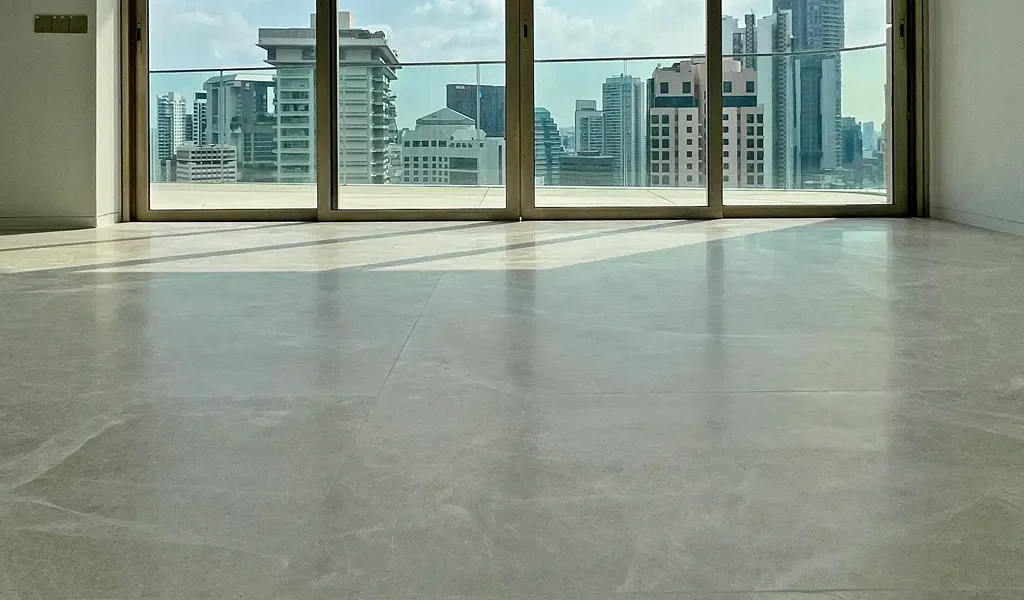
Marble is renowned for its timeless beauty, natural elegance and ability to elevate both residential and commercial spaces. From marble flooring and countertops to feature walls and tabletops, natural stone remains a popular choice for property owners seeking a luxurious and enduring finish.
One of the greatest advantages of marble is its ability to be restored. Scratches, dullness, etching, stains, chips and minor cracks can often be repaired through professional marble restoration techniques such as grinding, polishing, regrouting and epoxy filling. In many cases, restoration is significantly more cost-effective than replacing the stone entirely.
However, there are situations where marble replacement may be the more practical long-term solution. Understanding these scenarios can help property owners make informed decisions about their marble surfaces.
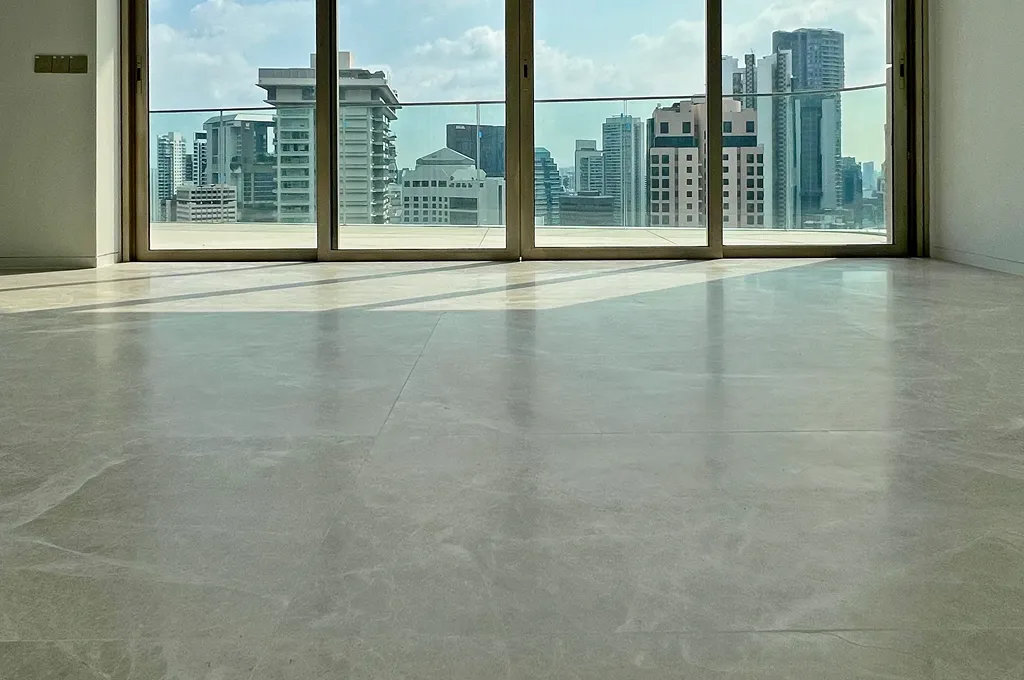
1. The Marble Is Severely Cracked or Structurally Compromised
Hairline cracks and minor fractures can often be repaired using specialised epoxy fillers and professional polishing techniques. However, when cracks extend through the full thickness of the stone, continue to move over time or affect multiple adjoining marble pieces, the structural integrity of the installation may be compromised.
In these cases, simply filling the cracks may not provide a lasting solution. Replacing the affected marble sections may be necessary to prevent future failures and ensure long-term stability.
2. Large Sections Are Missing or Broken
Marble chips and small corner damages are usually repairable by experienced stone restoration specialists. However, when substantial portions of the stone have broken away, replacement may offer a more durable and visually seamless result.
This is particularly common in:
- Marble countertops
- Dining tabletops
- Stair treads
- Vanity tops
- Feature walls
If the damaged area is too large to reconstruct convincingly, replacing the affected section may be the better option.
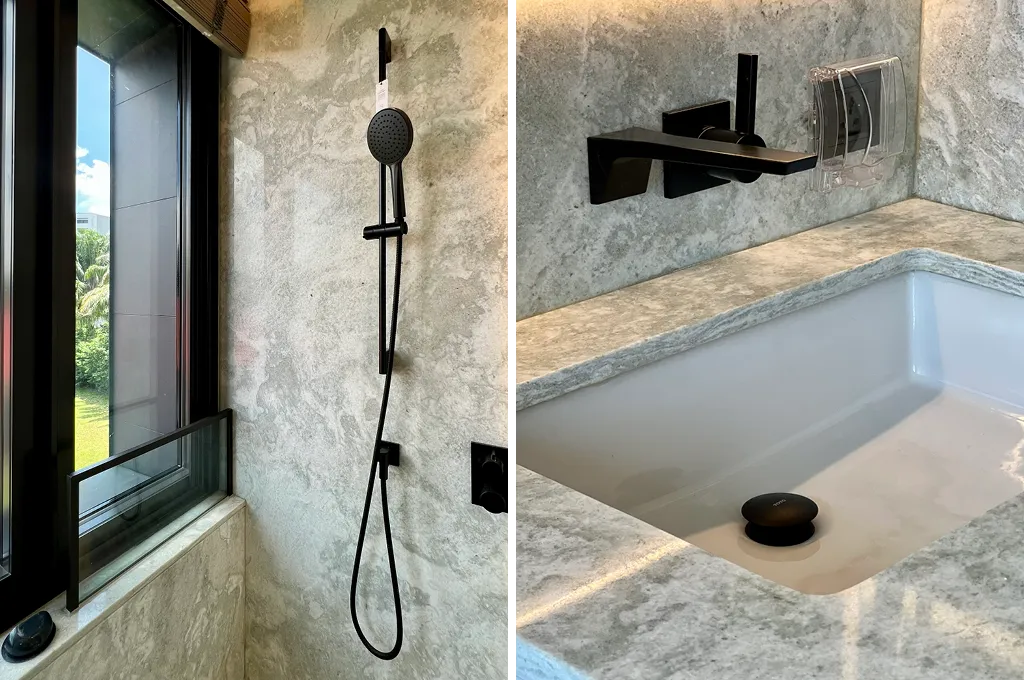
3. Extensive Water Damage Has Permanently Affected the Stone
Water infiltration can cause serious damage to natural stone over time. Common signs include:
- Deep staining
- Discolouration
- Mineral deposits
- Surface deterioration
- Delamination
While professional marble restoration can often remove surface-level stains and deposits, severe water damage that has penetrated deep into the stone may be irreversible.
When restoration can no longer achieve a satisfactory appearance, replacement may be the most practical solution.
4. The Substrate or Supporting Structure Has Failed
In many situations, the marble itself is not the primary problem.
Issues such as:
- Hollow flooring
- Failed adhesives
- Uneven screeding
- Structural movement
- Water-damaged substrates
can cause recurring cracks, loose tiles and uneven surfaces.
If the underlying support system has failed, the affected marble may need to be removed so the substrate can be repaired properly before new marble is installed.
5. Multiple Repairs Have Already Been Performed
Over the years, some marble surfaces undergo numerous repairs and patching works.
While individual repairs may be successful, repeated restoration attempts can eventually become less cost-effective. When repair lines become increasingly visible or the same issues continue to reappear, replacement may provide a better long-term outcome.
A professional assessment can help determine whether continued restoration remains viable or if replacement would represent better value.
6. The Marble Design No Longer Suits the Space
Not every marble replacement project is driven by damage.
Many homeowners undertake renovations to modernise their interiors and improve the overall design aesthetic of their property. In these situations, the existing marble may remain structurally sound but no longer aligns with the desired look and feel.
Replacing outdated colours, patterns or finishes can help create a more cohesive design concept while increasing the visual appeal of the space.
7. Severe Lippage or Installation Defects Exist Throughout the Surface
Lippage refers to height differences between adjacent marble pieces. While minor lippage can often be corrected through grinding and polishing, widespread installation defects can present greater challenges.
Examples include:
- Significant height variations
- Poor tile alignment
- Uneven installation
- Inconsistent joint spacing
If correcting these issues requires excessive grinding that could compromise the thickness and integrity of the marble, replacement may be recommended instead.
8. Restoration Costs Approach Replacement Costs
Although marble restoration is generally more economical than replacement, there are exceptions.
When a project involves extensive cracking, significant water damage, multiple broken sections and substrate failure, the combined cost of repairs may approach the cost of installing new marble.
In such situations, replacement may offer better long-term value and provide a more predictable outcome.
A Practical Rule of Thumb
For most marble surfaces, restoration remains the preferred option. If the stone is structurally sound and the damage is primarily cosmetic — such as scratches, dullness, etching, stains, chips or minor cracks — professional marble restoration can often restore the surface to a beautiful condition at a fraction of the cost of replacement.
Replacement should generally be considered only when the stone or its supporting structure has suffered significant damage beyond practical repair.
If you’re unsure whether your marble flooring, countertop, tabletop or feature wall can be restored, a professional assessment can help you understand the available options and make an informed decision. Contact Marble Renewal (S) Pte Ltd for a site assessment and expert advice on whether marble restoration or replacement is the best solution for your property.